How to Improve Classroom Focus Naturally
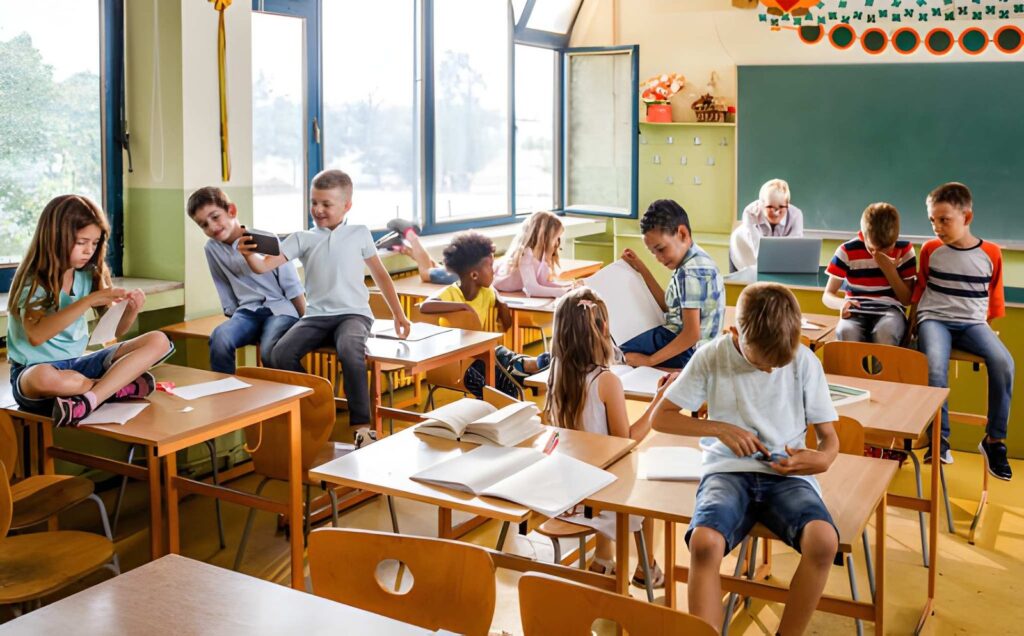
Helping students stay focused in the classroom is one of the Hubet biggest challenges teachers, parents, and school leaders face. With busy schedules, digital distractions, stress, lack of sleep, and different learning needs, many children struggle to concentrate for long periods. The good news is that classroom focus can often be improved naturally through simple routines, healthier environments, and teaching strategies that support the brain and body.
This article explores practical, natural ways to improve classroom focus without relying on quick fixes. These strategies can help students feel calmer, more engaged, and ready to learn.
Why Classroom Focus Matters
Classroom focus affects almost every part of learning. When students can concentrate, they are more likely to understand instructions, complete assignments, participate in discussions, and remember new information. Strong focus also supports better behavior, confidence, and academic performance.
However, focus is not just about “trying harder.” A child’s ability to pay attention can be influenced by sleep, nutrition, movement, emotions, classroom design, and teaching style. By addressing these areas, educators and parents can create conditions that naturally support concentration.
Create a Calm and Organized Learning Environment
A cluttered or noisy classroom can make it harder for students to focus. Visual distractions, unnecessary materials, and constant interruptions may overwhelm children, especially those who are sensitive to their surroundings.
To improve classroom focus naturally, keep the learning space organized and predictable. Use clear labels, designated areas for supplies, and simple classroom displays. While colorful decorations can be helpful, too many posters or bright visuals may become distracting.
Teachers can also reduce noise by using soft transitions, quiet signals, or calming background sounds when appropriate. A calm classroom environment helps students feel safe and ready to concentrate.
Encourage Healthy Sleep Habits
Sleep plays a major role in attention, memory, and behavior. Students who do not get enough sleep may appear restless, distracted, emotional, or unmotivated. Improving sleep routines at home can lead to better classroom focus during the day.
Parents can support healthy sleep by setting consistent bedtimes, limiting screen use before bed, and creating a relaxing evening routine. Children and teenagers need different amounts of sleep depending on their age, but most school-aged children require more rest than they often get.
Teachers can also help by educating students about the connection between sleep and learning. When students understand that sleep helps their brains work better, they may be more motivated to build healthier habits.
Support Focus with Good Nutrition
What students eat can affect their energy levels and concentration. Sugary snacks and drinks may provide a quick burst of energy, followed by a crash that makes it difficult to focus. A balanced diet with protein, whole grains, fruits, vegetables, and healthy fats can support steady energy throughout the school day.
A nutritious breakfast is especially important. Students who skip breakfast may struggle with attention, mood, and memory. Schools and families can encourage simple options such as oatmeal, eggs, yogurt, fruit, whole-grain toast, or smoothies.
Hydration also matters. Even mild dehydration can make students feel tired or unfocused. Allowing water bottles in the classroom can be a simple natural way to support concentration.
Include Movement Breaks
Children are not designed to sit still for hours at a time. Movement increases blood flow, wakes up the brain, and helps students release extra energy. Short movement breaks can improve classroom focus naturally and make lessons more effective.
Teachers can include quick activities such as stretching, walking in place, jumping jacks, yoga poses, or dance breaks. These breaks do not need to be long; even two to five minutes can make a difference.
Movement can also be built into learning. Students might solve problems around the room, act out vocabulary words, or rotate through activity stations. When movement is part of instruction, students often stay more engaged.
Use Mindfulness and Breathing Exercises
Mindfulness is a natural strategy that can help students calm their minds and improve attention. Simple breathing exercises teach children how to pause, relax, and return their focus to the present moment.
A classroom mindfulness routine can be as short as one minute. For example, students can close their eyes, breathe in slowly for four counts, and breathe out for four counts. Teachers may also use guided imagery, gratitude moments, or quiet reflection.
These practices are especially helpful before tests, after recess, or during transitions. Over time, mindfulness can help students manage stress and improve self-control.
Break Lessons into Smaller Steps
Long instructions or lengthy lessons can cause students to lose focus. Breaking tasks into smaller steps makes learning feel more manageable and helps students stay on track.
Teachers can improve focus by giving clear directions, checking for understanding, and using visual reminders. Instead of presenting a large assignment all at once, divide it into sections with short goals. For example, students can read one paragraph, answer one question, and then move to the next part.
This approach supports all learners, including students who have attention difficulties. Small wins can also build motivation and confidence.
Reduce Digital Distractions
Technology can be a powerful learning tool, but it can also reduce classroom focus when not managed carefully. Notifications, games, videos, and unrelated websites can pull students away from learning.
To improve focus naturally, set clear rules for device use. Use technology only when it supports the lesson, and provide screen-free learning opportunities whenever possible. Teachers can also create device-free times during reading, discussion, writing, or hands-on activities.
Parents can support this effort by setting healthy screen limits at home. Less screen overload can help students become more comfortable with sustained attention.
Build Positive Classroom Routines
Predictable routines help students know what to expect, which reduces stress and improves focus. A strong daily structure can make transitions smoother and learning time more productive.
Teachers can begin class with a consistent warm-up activity, post the daily schedule, and use familiar signals for attention. Ending lessons with a quick review or reflection also helps students process what they learned.
When routines are practiced regularly, students spend less mental energy figuring out what to do next and more energy focusing on the lesson.
Strengthen Student Engagement
Students focus better when they are interested and involved. Active learning strategies can naturally improve attention by making lessons more meaningful.
Teachers can use group discussions, hands-on projects, storytelling, real-world examples, and student choice. Asking open-ended questions and encouraging students to explain their thinking also keeps the brain engaged.
When students feel that their ideas matter, they are more likely to participate and stay focused.
Encourage Outdoor Time and Natural Light
Nature can have a calming effect on the brain. Outdoor recess, fresh air, and natural light can help students return to the classroom with better focus and mood.
Whenever possible, schools can provide outdoor learning opportunities, nature walks, or lessons in the school garden. Even opening blinds to let in natural light can improve the classroom atmosphere.
Time outside also supports physical health, creativity, and emotional balance, all of which contribute to better concentration.
Work with Parents and Caregivers
Improving classroom focus naturally works best when teachers and families communicate. If a student is struggling to concentrate, it may help to discuss sleep, meals, homework routines, screen time, and stress levels.
Parents and teachers can work together giải đấu esports to create consistent expectations and supportive strategies. Small changes at home and school can lead to meaningful improvements over time.
Final Thoughts
Improving classroom focus naturally is not about one single solution. It involves supporting the whole child through healthy sleep, balanced nutrition, movement, mindfulness, organized spaces, engaging lessons, and positive routines.
When students feel calm, energized, and connected, they are better prepared to learn. By using these natural strategies consistently, teachers and parents can help children build stronger attention skills and enjoy greater success in the classroom.