Salem Blog

Sample Page

Category: General

  • The Benefits of Self-Paced Learning

    The Benefits of Self-Paced Learning

    Self-paced learning has become one of the most popular approaches to education and professional development. As online courses, digital training platforms, and flexible learning tools continue to grow, more students and working professionals are choosing to learn on their own schedule. Unlike traditional classroom learning, self-paced learning allows individuals to control when, where, and how quickly they study.

    Whether you are earning a certification, learning a new language, improving job skills, or exploring a personal interest, self-paced learning offers many advantages. It gives learners the freedom to create a study experience that fits their lifestyle, goals, and TG88 learning style.

    What Is Self-Paced Learning?

    Self-paced learning is an educational method that allows learners to move through course materials at their own speed. Instead of following a fixed classroom schedule, students can decide how much time they spend on each lesson or topic.

    This type of learning often includes online videos, reading materials, quizzes, assignments, discussion boards, and downloadable resources. Many self-paced courses are available through learning management systems, online universities, professional training websites, and mobile apps.

    The main idea is simple: learners take responsibility for their own progress. They can pause, review, skip ahead, or repeat lessons based on their needs.

    Flexibility and Convenience

    One of the biggest benefits of self-paced learning is flexibility. Traditional education often requires students to attend classes at specific times and locations. This can be difficult for people with busy schedules, full-time jobs, family responsibilities, or other commitments.

    With self-paced learning, students can study whenever it is most convenient. Some people prefer learning early in the morning, while others focus better at night. Learners can also study from almost anywhere, including home, the office, a library, or while traveling.

    This convenience makes education more accessible. People who may not be able to attend in-person classes can still gain valuable knowledge and skills through online self-paced courses.

    Personalized Learning Experience

    Everyone learns differently. Some people understand new concepts quickly, while others need more time to review information. In a traditional classroom, the pace is usually set by the teacher or the course schedule. This can leave some students feeling rushed, while others may feel bored.

    Self-paced learning solves this problem by allowing learners to customize their experience. If a topic is difficult, they can spend extra time studying it. If a topic is familiar, they can move through it more quickly.

    This personalized approach can improve understanding and confidence. Learners are not forced to keep up with others or wait for the rest of the class. Instead, they can focus on mastering the material at a pace that works best for them.

    Better Time Management Skills

    Self-paced learning encourages students to develop strong time management skills. Since there is often no strict daily schedule, learners must plan their study time and stay motivated.

    This can be a valuable skill in both education and the workplace. Managing deadlines, organizing tasks, and setting priorities are important abilities in many areas of life. Self-paced learning helps students practice these skills in a practical way.

    To succeed, learners often create study schedules, set goals, and track their progress. Over time, this builds discipline and independence.

    Reduced Stress and Pressure

    Many students experience stress in traditional learning environments. Deadlines, exams, class participation, and the pressure to keep up with classmates can create anxiety.

    Self-paced learning can reduce some of this pressure. Because students can control their pace, they may feel more comfortable and less overwhelmed. They can take breaks when needed and return to the material when they are ready.

    This does not mean self-paced learning is always easy. Learners still need motivation and commitment. However, having more control over the learning process can make education feel less stressful and more enjoyable.

    Cost-Effective Learning Option

    Self-paced learning can also be more affordable than traditional education. Many online courses cost less than in-person classes, and some are even free. Learners can often avoid expenses such as transportation, housing, printed textbooks, and campus fees.

    For businesses, self-paced training can reduce costs as well. Companies can provide online training materials to employees without needing to organize repeated in-person sessions. Employees can complete training when it fits their work schedule, which can improve productivity.

    Because of these savings, self-paced learning is an attractive option for individuals and organizations looking for affordable education and training solutions.

    Improved Retention and Understanding

    Learning at your own pace can help improve knowledge retention. When students rush through material, they may memorize facts temporarily but forget them later. Self-paced learning gives learners more time to review and practice, which can lead to deeper understanding.

    Many online self-paced courses include interactive features such as quizzes, videos, practice exercises, and progress tracking. These tools help reinforce learning and identify areas that need improvement.

    The ability to revisit lessons is especially helpful. If a learner forgets a concept, they can return to the material anytime. This supports long-term learning and skill development.

    Ideal for Career Development

    Self-paced learning is especially useful for career growth. In today’s job market, professionals often need to update their skills to stay competitive. New technologies, industry trends, and workplace expectations are always changing.

    Online self-paced courses make it easier to learn new skills without leaving a job or disrupting a work schedule. Professionals can study project management, digital marketing, coding, data analysis, leadership, communication, and many other valuable topics.

    Earning certificates through self-paced learning can also strengthen a resume and show employers a commitment to continuous improvement.

    Encourages Lifelong Learning

    Another important benefit of self-paced learning is that it encourages lifelong learning. Education is no longer limited to schools, colleges, or universities. People of all ages can continue learning throughout their lives.

    Self-paced learning makes it easier to explore new interests, hobbies, and subjects. Whether someone wants to learn photography, finance, writing, health, or technology, there are countless resources available online.

    This freedom helps people stay curious, confident, and adaptable in a changing world.

    Tips for Successful Self-Paced Learning

    To get the most out of self-paced learning, it is important to stay organized. Start by setting clear goals for what you want to achieve. Create a realistic study schedule and choose a quiet place where you can focus.

    It is also helpful to track your progress and celebrate small achievements. Avoid procrastination by breaking large lessons into smaller tasks. If the course offers quizzes or practice activities, use them to test your understanding.

    Most importantly, stay consistent. Even studying for a short amount of time each day can lead to strong results over time.

    Conclusion

    Self-paced learning offers many benefits, including flexibility, convenience, personalization, lower costs, and reduced stress. It allows learners to take control of their education and build skills in a way that fits their lifestyle.

    As technology continues to improve, self-paced learning will become even more important for students, professionals, and lifelong learners. Whether you want to advance your career, improve your knowledge, or explore a new passion, self-paced learning provides a practical and Khung giờ nổ hũ effective path to success.

  • Effective Learning Techniques for College Students

    Effective Learning Techniques for College Students

    College life is exciting, challenging, and full of opportunities. However, managing lectures, assignments, exams, part-time work, and social activities can quickly become overwhelming. To succeed academically, students need more than motivation—they need effective learning techniques that help them study smarter, retain information longer, and perform better in exams.

    This guide explores practical, research-backed learning strategies for college students who want to improve focus, productivity, and academic performance.

    Why Effective Learning Techniques Matter in College

    Many college students spend hours reading textbooks or reviewing notes, yet still struggle to remember information during exams. This often happens because passive studying is not enough. Simply rereading material or highlighting pages may feel productive, but it does not always lead to deep understanding.

    King88 learning techniques help students engage actively with information. They improve memory, build critical thinking skills, and reduce last-minute stress. When students use the right study methods, they can learn more in less time and feel more confident in their academic abilities.

    1. Use Active Recall to Strengthen Memory

    Active recall is one of the most effective study techniques for college students. Instead of reading information repeatedly, active recall requires you to test yourself on what you have learned.

    For example, after reading a chapter, close the book and try to explain the main ideas from memory. You can also create flashcards, answer practice questions, or write summaries without looking at your notes.

    This technique works because it forces your brain to retrieve information, which strengthens memory and makes it easier to recall facts during exams. Apps such as Anki or Quizlet can be useful for creating digital flashcards and practicing active recall regularly.

    2. Practice Spaced Repetition

    Spaced repetition is a learning method that involves reviewing information at increasing intervals over time. Instead of cramming the night before a test, students review material several times across days or weeks.

    For example, you might review new lecture notes the same day, then again two days later, one week later, and before the exam. This method helps move information from short-term memory to long-term memory.

    Spaced repetition is especially helpful for subjects that require memorization, such as biology, history, medicine, law, and foreign languages. By planning regular review sessions, college students can avoid the stress of last-minute studying and improve long-term retention.

    3. Take Better Notes During Lectures

    Good note-taking is an essential college learning skill. Effective notes help students organize information, identify key concepts, and review material efficiently.

    One popular method is the Cornell Note-Taking System. Divide your page into three sections: a main notes area, a cue column, and a summary section. During class, write important ideas in the main section. After class, use the cue column for questions or keywords, and summarize the lecture at the bottom of the page.

    Students can also use mind maps, outlines, or digital note-taking tools. The best method depends on your learning style and subject. The goal is not to write every word the professor says, but to capture important concepts in a clear and organized way.

    4. Use the Pomodoro Technique for Better Focus

    Maintaining concentration for long periods can be difficult, especially with distractions from phones, social media, and busy schedules. The Pomodoro Technique is a time management strategy that helps students stay focused.

    To use this method, study for 25 minutes, then take a 5-minute break. After completing four study sessions, take a longer break of 15 to 30 minutes. These short study intervals make large tasks feel more manageable and prevent mental fatigue.

    During each session, focus on one specific task, such as reviewing lecture notes, solving math problems, or writing an essay outline. Turn off notifications and avoid multitasking. Focused study sessions are usually more effective than long, distracted hours.

    5. Teach What You Learn

    Teaching is a powerful way to improve understanding. If you can explain a concept clearly to someone else, you are more likely to understand it yourself.

    This technique is sometimes called the Feynman Technique. Choose a topic, explain it in simple language, identify any gaps in your understanding, then review the material and explain it again. You can teach a classmate, study group, or even an imaginary audience.

    This method works well for complex subjects because it encourages students to simplify ideas and connect concepts. It also reveals weak areas that need more review before an exam.

    6. Create a Consistent Study Schedule

    Consistency is one of the most important factors in academic success. A study schedule helps college students manage their time and avoid procrastination.

    Start by listing all classes, deadlines, exams, work hours, and personal commitments. Then block out regular study times each week. Try to study at the same time each day to build a routine.

    Break large assignments into smaller tasks. For example, instead of writing “finish research paper,” divide it into steps such as choosing a topic, finding sources, creating an outline, writing a draft, and editing. This makes academic work less stressful and easier to complete on time.

    7. Join or Form a Study Group

    Study groups can be very effective when they are organized and focused. Working with classmates allows students to discuss difficult concepts, compare notes, ask questions, and stay motivated.

    To make a study group successful, set clear goals for each meeting. Choose topics in advance, assign responsibilities, and avoid turning the session into social time. A productive study group should help everyone understand the material better.

    Study groups are especially useful before exams, when students can quiz each other and explain challenging topics.

    8. Take Care of Your Health

    Learning is not only about study techniques. Physical and mental health play a major role in academic performance. Lack of sleep, poor nutrition, and high stress can reduce concentration and memory.

    College students should aim for enough sleep, regular exercise, balanced meals, and short breaks during study sessions. Mindfulness, deep breathing, and time outdoors can also help reduce stress.

    A healthy lifestyle supports better learning, sharper focus, and improved emotional well-being.

    Final Thoughts

    Using effective learning techniques for college students can make studying more productive and less stressful. Strategies such as active recall, spaced repetition, better note-taking, focused study sessions, and consistent scheduling can improve academic performance and confidence.

    Cách chơi bài phỏm in college does not come from studying longer—it comes from studying smarter. By applying these techniques regularly, students can build strong learning habits that benefit them throughout college and beyond.

  • How to Improve Classroom Focus Naturally

    How to Improve Classroom Focus Naturally

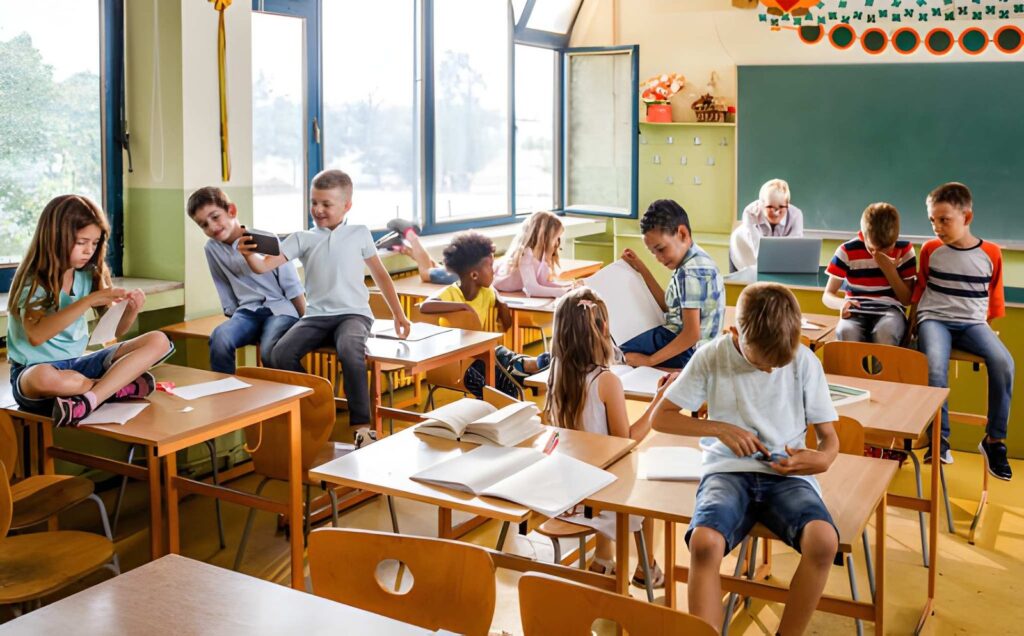
    Helping students stay focused in the classroom is one of the Hubet biggest challenges teachers, parents, and school leaders face. With busy schedules, digital distractions, stress, lack of sleep, and different learning needs, many children struggle to concentrate for long periods. The good news is that classroom focus can often be improved naturally through simple routines, healthier environments, and teaching strategies that support the brain and body.

    This article explores practical, natural ways to improve classroom focus without relying on quick fixes. These strategies can help students feel calmer, more engaged, and ready to learn.

    Why Classroom Focus Matters

    Classroom focus affects almost every part of learning. When students can concentrate, they are more likely to understand instructions, complete assignments, participate in discussions, and remember new information. Strong focus also supports better behavior, confidence, and academic performance.

    However, focus is not just about “trying harder.” A child’s ability to pay attention can be influenced by sleep, nutrition, movement, emotions, classroom design, and teaching style. By addressing these areas, educators and parents can create conditions that naturally support concentration.

    Create a Calm and Organized Learning Environment

    A cluttered or noisy classroom can make it harder for students to focus. Visual distractions, unnecessary materials, and constant interruptions may overwhelm children, especially those who are sensitive to their surroundings.

    To improve classroom focus naturally, keep the learning space organized and predictable. Use clear labels, designated areas for supplies, and simple classroom displays. While colorful decorations can be helpful, too many posters or bright visuals may become distracting.

    Teachers can also reduce noise by using soft transitions, quiet signals, or calming background sounds when appropriate. A calm classroom environment helps students feel safe and ready to concentrate.

    Encourage Healthy Sleep Habits

    Sleep plays a major role in attention, memory, and behavior. Students who do not get enough sleep may appear restless, distracted, emotional, or unmotivated. Improving sleep routines at home can lead to better classroom focus during the day.

    Parents can support healthy sleep by setting consistent bedtimes, limiting screen use before bed, and creating a relaxing evening routine. Children and teenagers need different amounts of sleep depending on their age, but most school-aged children require more rest than they often get.

    Teachers can also help by educating students about the connection between sleep and learning. When students understand that sleep helps their brains work better, they may be more motivated to build healthier habits.

    Support Focus with Good Nutrition

    What students eat can affect their energy levels and concentration. Sugary snacks and drinks may provide a quick burst of energy, followed by a crash that makes it difficult to focus. A balanced diet with protein, whole grains, fruits, vegetables, and healthy fats can support steady energy throughout the school day.

    A nutritious breakfast is especially important. Students who skip breakfast may struggle with attention, mood, and memory. Schools and families can encourage simple options such as oatmeal, eggs, yogurt, fruit, whole-grain toast, or smoothies.

    Hydration also matters. Even mild dehydration can make students feel tired or unfocused. Allowing water bottles in the classroom can be a simple natural way to support concentration.

    Include Movement Breaks

    Children are not designed to sit still for hours at a time. Movement increases blood flow, wakes up the brain, and helps students release extra energy. Short movement breaks can improve classroom focus naturally and make lessons more effective.

    Teachers can include quick activities such as stretching, walking in place, jumping jacks, yoga poses, or dance breaks. These breaks do not need to be long; even two to five minutes can make a difference.

    Movement can also be built into learning. Students might solve problems around the room, act out vocabulary words, or rotate through activity stations. When movement is part of instruction, students often stay more engaged.

    Use Mindfulness and Breathing Exercises

    Mindfulness is a natural strategy that can help students calm their minds and improve attention. Simple breathing exercises teach children how to pause, relax, and return their focus to the present moment.

    A classroom mindfulness routine can be as short as one minute. For example, students can close their eyes, breathe in slowly for four counts, and breathe out for four counts. Teachers may also use guided imagery, gratitude moments, or quiet reflection.

    These practices are especially helpful before tests, after recess, or during transitions. Over time, mindfulness can help students manage stress and improve self-control.

    Break Lessons into Smaller Steps

    Long instructions or lengthy lessons can cause students to lose focus. Breaking tasks into smaller steps makes learning feel more manageable and helps students stay on track.

    Teachers can improve focus by giving clear directions, checking for understanding, and using visual reminders. Instead of presenting a large assignment all at once, divide it into sections with short goals. For example, students can read one paragraph, answer one question, and then move to the next part.

    This approach supports all learners, including students who have attention difficulties. Small wins can also build motivation and confidence.

    Reduce Digital Distractions

    Technology can be a powerful learning tool, but it can also reduce classroom focus when not managed carefully. Notifications, games, videos, and unrelated websites can pull students away from learning.

    To improve focus naturally, set clear rules for device use. Use technology only when it supports the lesson, and provide screen-free learning opportunities whenever possible. Teachers can also create device-free times during reading, discussion, writing, or hands-on activities.

    Parents can support this effort by setting healthy screen limits at home. Less screen overload can help students become more comfortable with sustained attention.

    Build Positive Classroom Routines

    Predictable routines help students know what to expect, which reduces stress and improves focus. A strong daily structure can make transitions smoother and learning time more productive.

    Teachers can begin class with a consistent warm-up activity, post the daily schedule, and use familiar signals for attention. Ending lessons with a quick review or reflection also helps students process what they learned.

    When routines are practiced regularly, students spend less mental energy figuring out what to do next and more energy focusing on the lesson.

    Strengthen Student Engagement

    Students focus better when they are interested and involved. Active learning strategies can naturally improve attention by making lessons more meaningful.

    Teachers can use group discussions, hands-on projects, storytelling, real-world examples, and student choice. Asking open-ended questions and encouraging students to explain their thinking also keeps the brain engaged.

    When students feel that their ideas matter, they are more likely to participate and stay focused.

    Encourage Outdoor Time and Natural Light

    Nature can have a calming effect on the brain. Outdoor recess, fresh air, and natural light can help students return to the classroom with better focus and mood.

    Whenever possible, schools can provide outdoor learning opportunities, nature walks, or lessons in the school garden. Even opening blinds to let in natural light can improve the classroom atmosphere.

    Time outside also supports physical health, creativity, and emotional balance, all of which contribute to better concentration.

    Work with Parents and Caregivers

    Improving classroom focus naturally works best when teachers and families communicate. If a student is struggling to concentrate, it may help to discuss sleep, meals, homework routines, screen time, and stress levels.

    Parents and teachers can work together giải đấu esports to create consistent expectations and supportive strategies. Small changes at home and school can lead to meaningful improvements over time.

    Final Thoughts

    Improving classroom focus naturally is not about one single solution. It involves supporting the whole child through healthy sleep, balanced nutrition, movement, mindfulness, organized spaces, engaging lessons, and positive routines.

    When students feel calm, energized, and connected, they are better prepared to learn. By using these natural strategies consistently, teachers and parents can help children build stronger attention skills and enjoy greater success in the classroom.